



Yoga Alliance® Registered School Rishikesh
Rishikesh, known as the “Yoga Capital of the World,” is home to numerous schools registered with Yoga Alliance (USA). Moksha Yogshala is one of these Registered Yoga Schools (RYS) offer internationally recognised certifications, such as RYS 200, RYS 300, and RYS 500, allowing graduates to register as Registered Yoga Teachers (RYT).



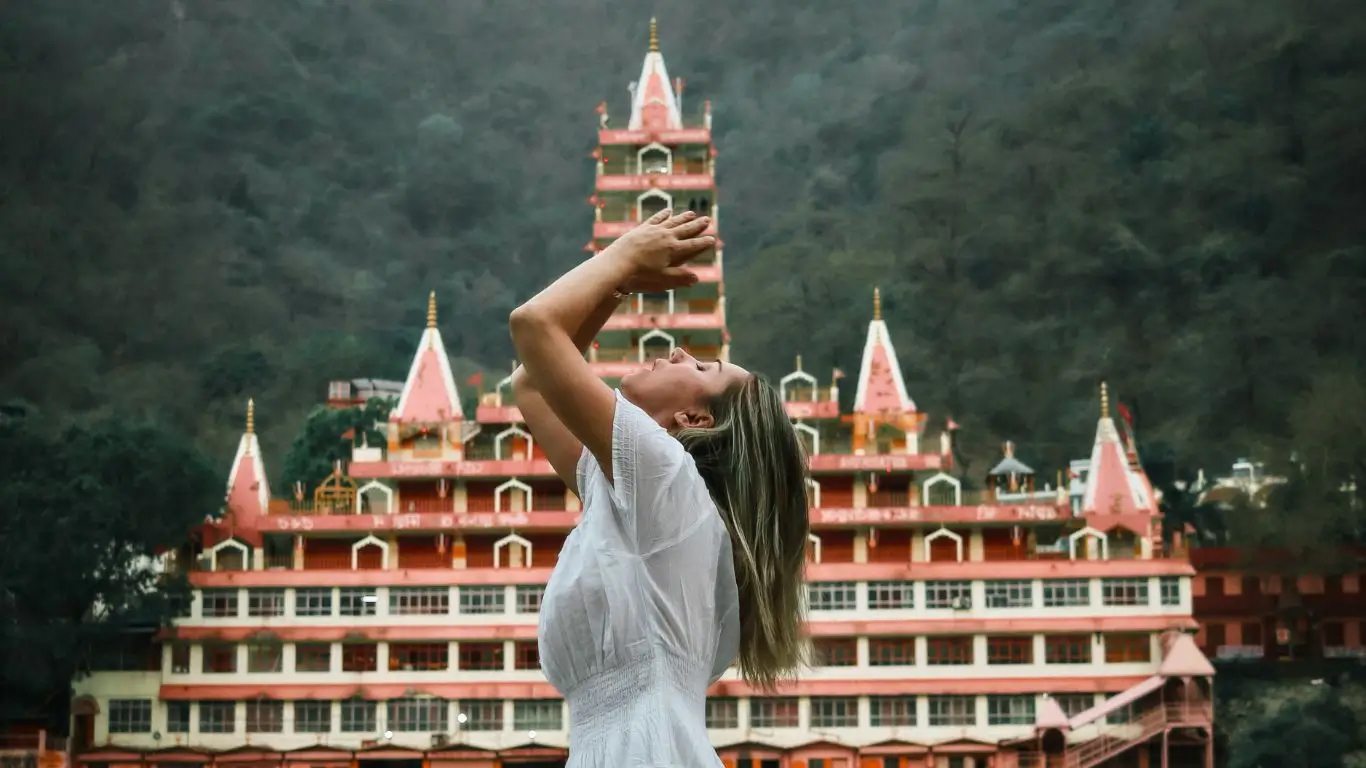
Multi-Style Yoga Certification Course.
Moksha Yogshala offers Yoga Alliance-certified and authentic traditional 100-hour Yoga TTC in Rishikesh, 200 hour yoga teacher training in Rishikesh, 300 hours yoga course and 500-hour yoga teacher training course in Rishikesh.

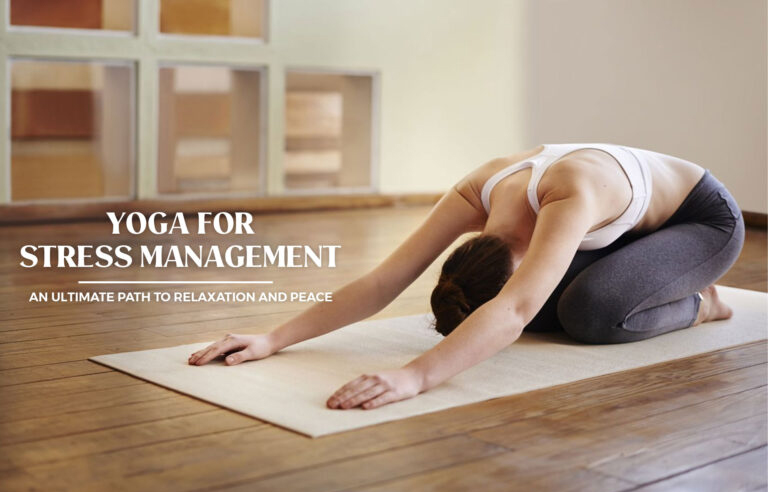

Choosing Moksha Yogshala, as a Yoga Teacher Training (TTC) in Rishikesh the “Yoga Capital of the World,” featuring specialized training in traditional Hatha, Ashtanga, and Vinyasa styles.
It is particularly well-regarded for its 200-hour multi-style Yoga Teacher Training (YTT), which is designed to be transformative for practitioners of all levels.
- Traditional & Philosophy
- Breathwork & Hatha
- Emotional Healing
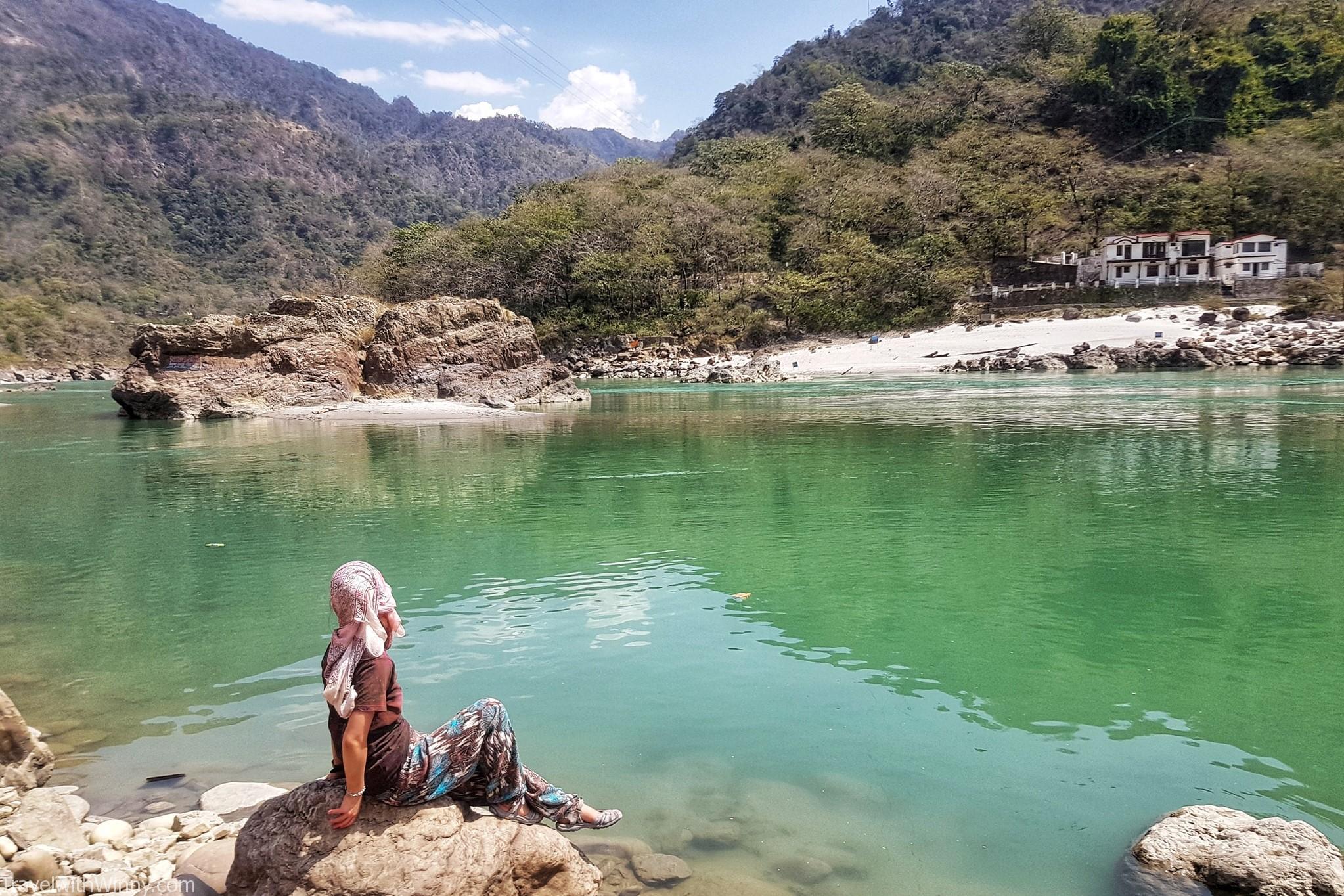
What a Multi-style Curriculum Covers?
Moksha Yogshala’s standard 200-hour multi-style course in Rishikesh typically includes:
- Physical Practice: Hatha (foundations), Ashtanga (discipline), and Vinyasa (flow).
- Restorative Styles: Often includes Yin Yoga for deep stretching and fascia release.
- Advanced Techniques: Alignment, hands-on adjustments, and sequencing methodology.
- Holistic Modules: Pranayama (breathwork), meditation, yoga philosophy (Sutras), and anatomy.
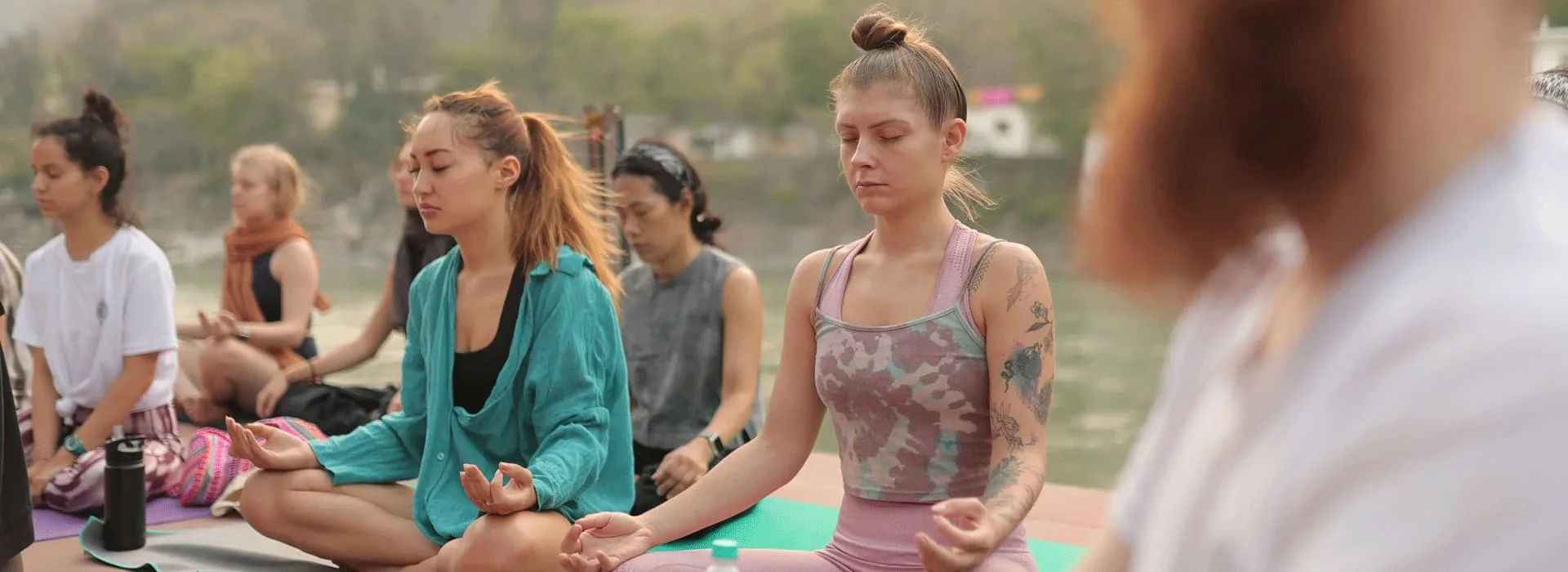
Asana Yoga TTC in Rishikesh
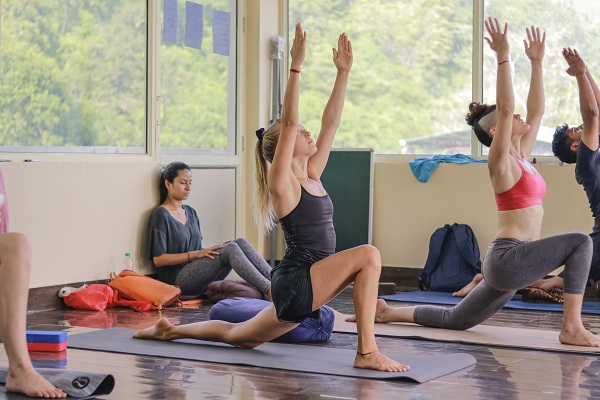
Asana classes in a Yoga Teacher Training Course (TTC) in Rishikesh are the practical core of the curriculum, focusing on both the personal mastery of postures and the professional ability to teach them safely. These sessions typically cover between 50 and 170 individual poses, depending on the course intensity. Moksha Yogshala Rishikesh follow below asana practices for all students.
Core Components of Asana Classes:
- Technique and Practice: Intensive sessions dedicated to performing asanas, focusing on proper alignment, breath integration, and holding durations.
- Asana Analysis & Breakdown: Dissecting postures to understand their biomechanical foundation, benefits, and contraindications.
- Alignment & Adjustments: Learning "hands-on" techniques to help students achieve correct form and using props (like belts or blocks) to modify poses for different body types.
- Sequencing Methodology: Training on how to logically order postures (e.g., warming up with Sun Salutations before moving to standing or inverted poses) to create a safe and effective flow.
Common Asana Categories Taught:
- Standing Postures: Foundations like Tadasana (Mountain Pose) and Virabhadrasana (Warrior series).
- Inversions & Balancing: Advanced techniques including Sirshasana (Headstand) and Sarvangasana (Shoulder Stand).
- Bending & Twisting: Forward bends, deep backbends like Ushtrasana (Camel Pose), and spinal twists.
- Restorative & Meditative: Poses designed for relaxation and preparation for meditation, such as Padmasana (Lotus).
Typical Daily Schedule for Asana:
- Morning (approx. 6:00 AM – 8:00 AM): Focuses on energising practices like Surya Namaskar (Sun Salutations) and foundational postures.
- Afternoon (approx. 4:00 PM – 6:00 PM): Often dedicated to teaching workshops, adjustment drills, or more restorative sequences.
Certification and Accreditation
Most professional asana modules are part of courses accredited by global bodies like Yoga Alliance USA or national entities like the Ministry of Ayush in India. These ensure the training meets international standards for contact hours and curriculum depth.
Meditation Yoga TTC in Rishikesh
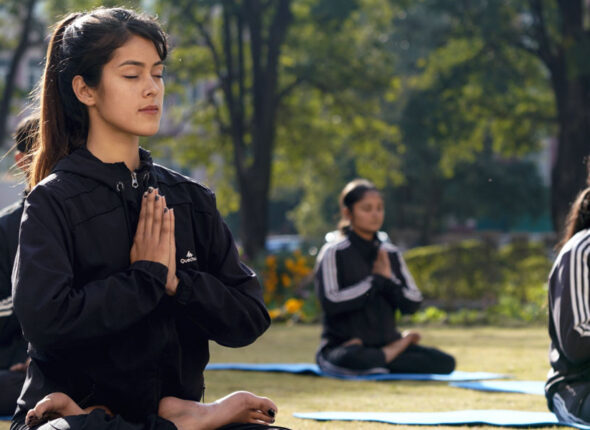
Meditation is an essential component of a Yoga Teacher Training Course (YTT), serving as the seventh limb (Dhyana) of Patanjali's Eight Limbs of Yoga. In a standard 200-hour YTT, meditation typically forms a core part of the "Techniques, Training, and Practice" module, often requiring specific hours of instruction in both theory and practical application.
Typical Meditation Curriculum in YTT
YTT programs generally cover a variety of techniques to ensure future teachers can cater to diverse student needs.
- Foundation & Theory: History, origin, and the science behind meditation, including its effects on the brain and nervous system.
- Core Techniques:
- Mindfulness Meditation: Focusing on the present moment and observing thoughts without judgment.
- Mantra Meditation: Using repetitive sounds or phrases (like "OM") to focus the mind.
- Breath Awareness: Using the breath as an anchor to achieve stillness.
- Yoga Nidra: Often called "yogic sleep," this is a guided systematic relaxation practice.
- Chakra & Kundalini Meditation: Techniques focused on balancing the body's energy centers.
- Preparation Practices: Learning how asanas (postures) and pranayama (breath control) prepare the body and mind for deeper meditation.
- Teaching Methodology: Practical training on how to guide sessions, modulate voice, use props (like cushions or malas), and create meditation scripts.
Pranayama Yoga TTC in Rishikesh
Pranayama, or yogic breathwork, is a core pillar of Yoga Teacher Training Courses (YTTC) that bridges physical asana practice and meditation. These classes typically blend theoretical foundations, practical techniques, and teaching methodology to equip students with both personal mastery and the ability to guide others.
- Technique Mastery: Students learn classical techniques including Nadi Shodhana (Alternate Nostril Breathing), Kapalabhati (Skull Shining Breath), Bhramari (Bee Breath), and Ujjayi (Victorious Breath).
- Anatomy & Physiology: Classes dive into the respiratory system, the role of the diaphragm, and how breath control impacts the autonomic nervous system to reduce stress.
- Subtle Energetics: Programs explore the "Pranic body," focusing on Nadis (energy channels), Chakras (energy centres), and the Five Koshas (sheaths of the self).
- Supporting Practices: Integration of Bandhas (energy locks) and Mudras (hand gestures) to direct life force energy (Prana).
- Teaching Methodology: Students are trained in safety guidelines, breath ratios (e.g., inhalation vs. retention), and how to provide clear, gentle cues for diverse student levels.
Benefits for Aspiring Teachers
- Emotional Resilience: Practicing intense breathwork often facilitates emotional release, which is considered "emotional alchemy" during the training process.
- Professional Versatility: Mastering these tools allows teachers to offer specialized classes for stress management, anxiety relief, and respiratory health.
- Personal Growth: Beyond teaching, these classes aim to awaken dormant energy (Kundalini) and sharpen mental focus for meditation.
Specialized Classes
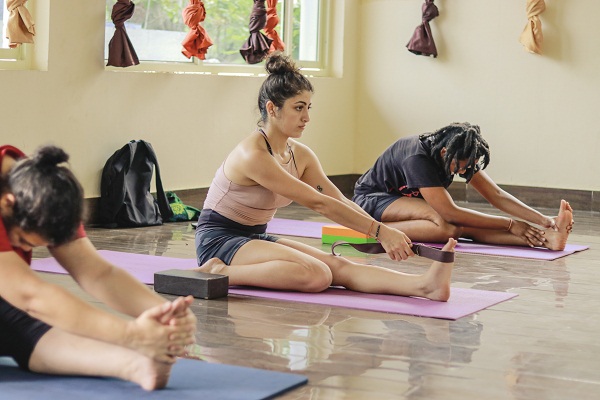
100 Hr Yoga Teacher Training in Rishikesh
The 100-Hour Yoga TTC in Rishikesh (Beginner) is a foundational course often used as a 14-day introductory retreat or the first half of a 200-hour certification. Focused on Hatha, Ashtanga, and Vinyasa styles, these residential courses cover asana, pranayama, philosophy, and anatomy, mostly registered with Yoga Alliance.
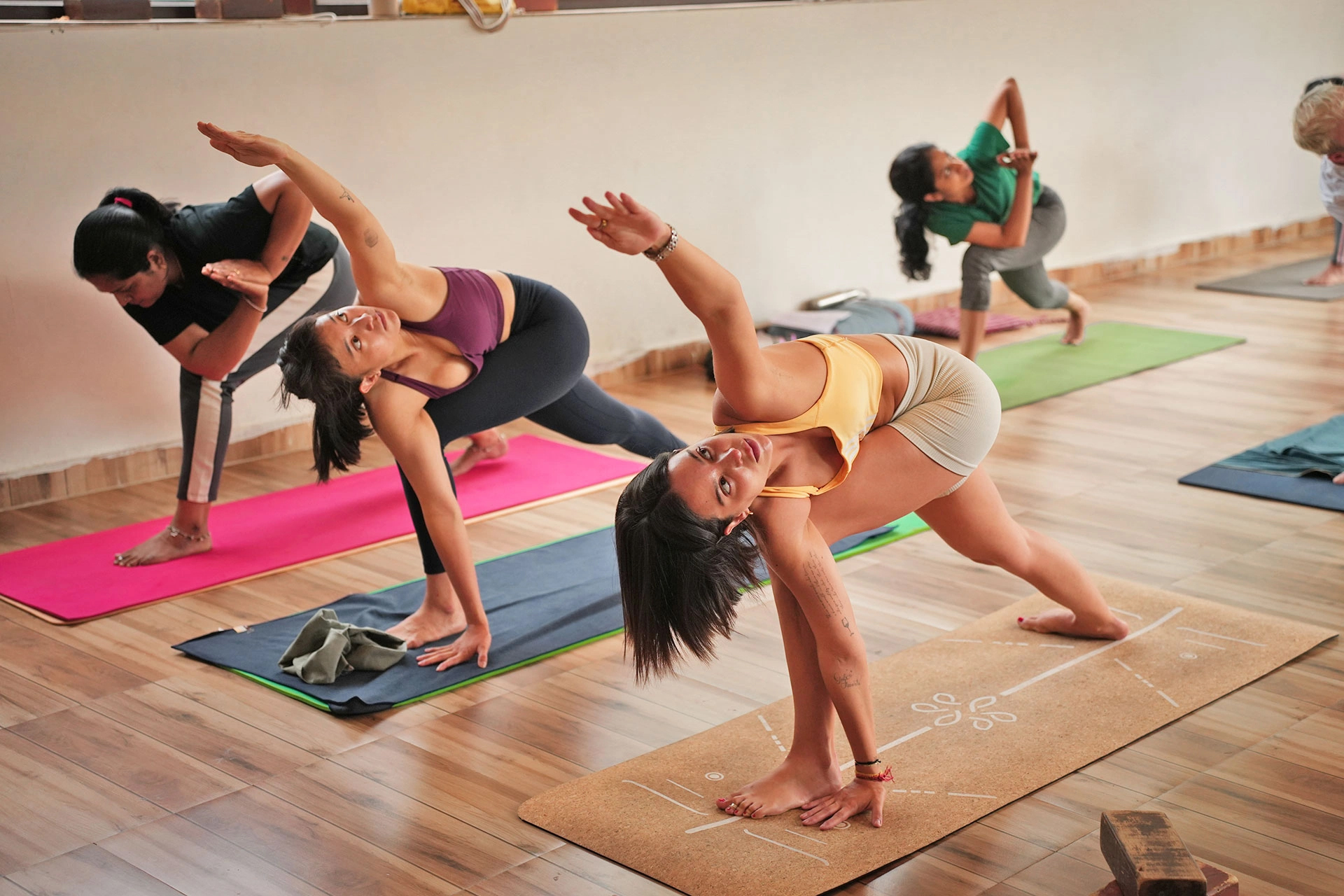
200 Hr Yoga Teacher Training in Rishikesh
The 200-Hour Yoga TTC in Rishikesh (Standard) is industry standard for new teachers. Most programs last 24–28 days and cover Hatha, Ashtanga, and Vinyasa styles. Most 200-hour programs are all-inclusive to allow students to focus fully on their practice.
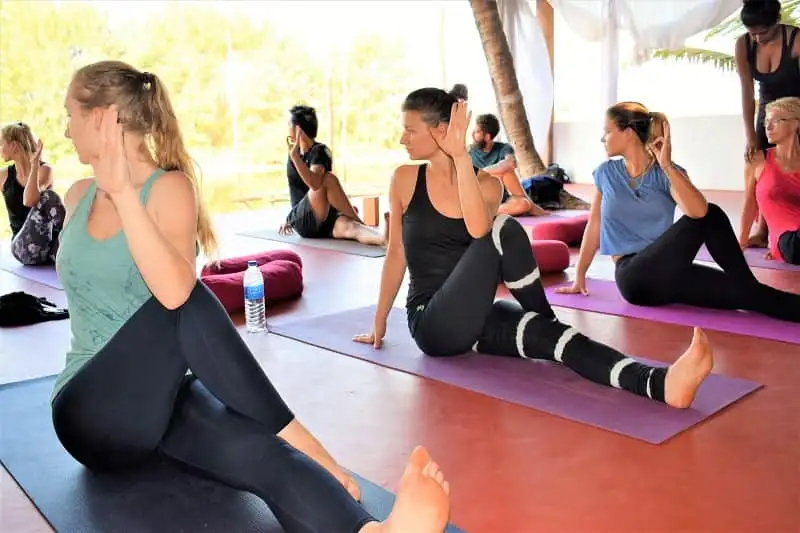
300 Hr Yoga Teacher Training in Rishikesh
The 300-Hour Yoga TTC in Rishikesh (Advanced) is designed for those who have already completed a 200-hour course and wish to deepen their teaching skills and philosophical knowledge. These programs are designed to advance your practice and teaching capabilities far beyond the 200-hour level.
500 Hr Yoga Teacher Training in Rishikesh
The 500-Hour Yoga TTC in Rishikesh (Mastery) is a comprehensive 7-8 week residential program combining 200-hour and 300-hour certifications, often focusing on Hatha, Ashtanga, and Vinyasa styles.
Immersion into Authentic Yoga


Key Offerings of Moksha Yogshala Rishikesh
- Yoga Classes in Rishikesh: Daily sessions focusing on Asanas, Pranayama (breathwork), and Meditation.
- Specialized Yoga in Rishikesh: Prenatal, postnatal, therapeutic yoga, and yoga for kids.
- Yoga Teacher Training in Rishikesh: 200-hour and other courses designed for aspiring international yoga teachers.
- Retreats in Rishikesh: Located near the Himalayas, offering holistic health programs, nature-connected yoga, and community events.
- Online and In-Person: Offers flexibility with both online Zoom sessions and in-person studio classes
STUDENT ENROLLED
CLASS COMPLETED
SATISFACTION RATE
TOP INSTRUCTORS
Moksha Yogshala
Focusing on traditional Hatha and Ashtanga, renowned for its supportive atmosphere, expert instructors, and immersive, authentic experience.
Exclusive Program
This programme typically incorporate yoga, mindfulness, and lifestyle management to foster overall happiness and, in some cases, sustainable living.
Online Session
Join live classes from experienced teachers covering yoga, meditation, and breathwork.
Personal Responsibility
Encourage people to take personal responsibility for their health and lifestyle.


Course Instructors
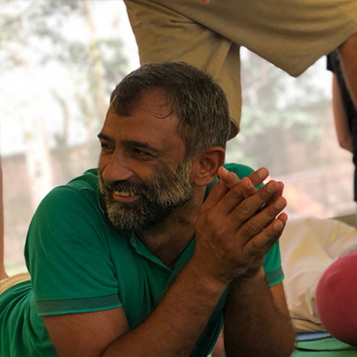
Hari Ji
Master in Ayurveda and natural healing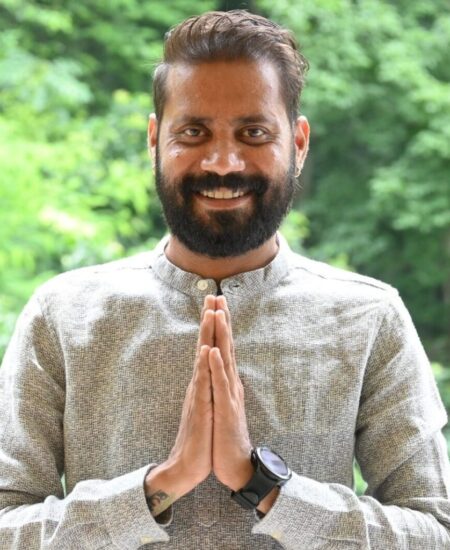
Vishal Sharma
Professional Yoga Teacher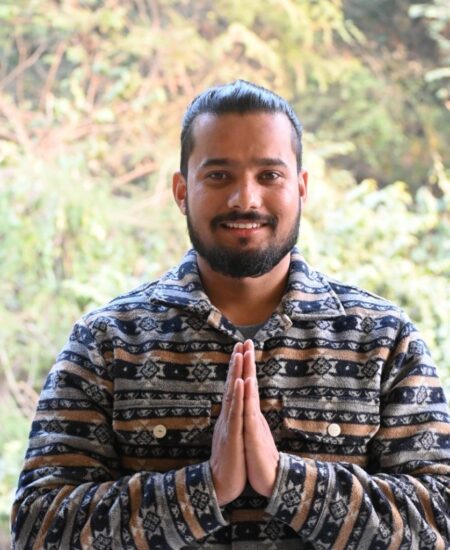
Yogi Ankit Tiwari
Professional Yoga Teacher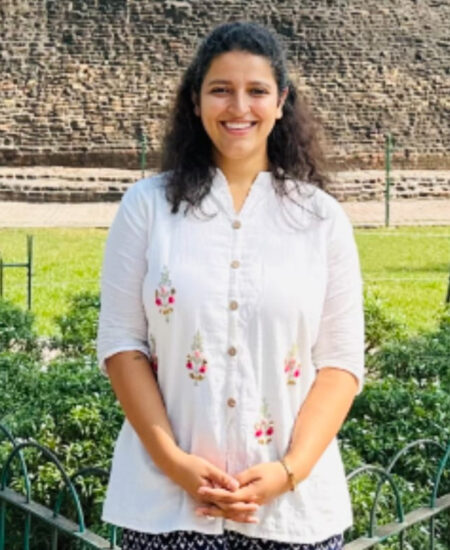
Avantika Tyagi
Certified Yoga Instructor & Naturopathy Practitioner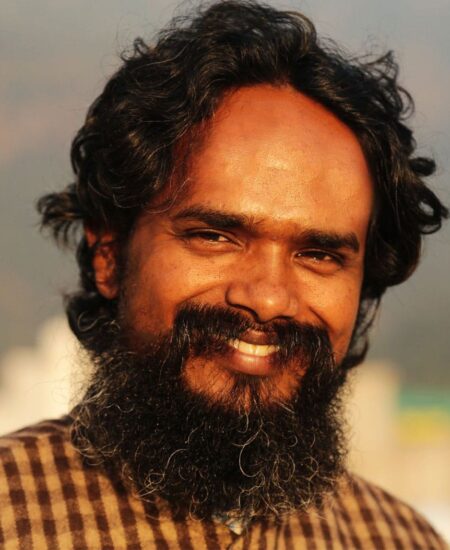
Yogi Siddhant
Certified Yoga Instructor
What Our Students Have To Say
I'm thrilled to share my experience with the excellent and knowledgeable Vishal yoga teacher I've had the privilege of learning from. Under his guidance, I've witnessed a remarkable transformation in my practice and resilience. His kindness and expertise have been instrumental in helping me reach new heights on my yoga journey. 🧘🏽♀️🙏🏼 Thank you from the bottom of my heart 💫
Sílvia M
What Our Students Have To Say
Hatha yoga teacher training with mokaha yogshala was a transformative journey for me. It was a knowledgeable and comprehensive course that includes asana, meditation, pranayama, anatomy and philosophy of yoga which I enjoyed all of them. All of the instructors was both compassionate and professional and because of them i gained a new understanding of yoga. This course ignited a deeper wisdom and passion inside me for yogic path and I appreciate all the teachers and the school team.
Navisa Elahian
What Our Students Have To Say
Amazing retreat experience with mokaha yogshala! Retreat includes asanas, meditation, pranayama, and emotional release/detox therapies which was immensely valuable for me. All of the instructors, administrators and facilitators were extremely compassionate and professional which accelerated my healing experience at Moksha. Special thanks to Hari and Vishal ji for all your efforts to make this a memorable experience for us !
Vinod Menon
General Information
Joining a Yoga Teacher Training (YTT) at Moksha Yogshala Rishikesh, India typically involves enrolling in a 200-hour program accredited by organizations like Yoga Alliance (YA) or the Indian Yoga Association IYA to ensure professional recognition. Most programs require applicants to be at least 18 years old and have a consistent personal yoga practice.
Key reasons to choose a Yoga TTC in Rishikesh include
- Authentic Tradition & Expertise: As the birthplace of yoga, Rishikesh offers training that blends traditional, authentic yogic education with philosophy, anatomy, and daily asana practice. For a truly "authentic" experience, seekers often prioritize schools led by Indian masters that incorporate not just physical asanas, but also deep philosophy, anatomy, and spiritual practices like pranayama and meditation.
- Global Certification: Most schools offer 100, 200, 300, or 500-hour Yoga Alliance certified courses, ensuring professional credibility worldwide.
- Unique Spiritual Environment: The city offers a unique atmosphere along the sacred Ganga River, surrounded by the Himalayas, which enhances the spiritual and meditative aspect of training.
- Affordability & Accessibility: Rishikesh is a cost-effective destination for comprehensive, high-quality yoga training compared to Western countries.
- Comprehensive Curriculum: Programs go beyond physical poses, covering pranayama, meditation, philosophy, and lifestyle.
- Accessible for All Levels: Programs are designed for beginners looking to deepen their practice, as well as experienced practitioners wishing to teach.
- Holistic Wellness: Many schools offer training in related wellness fields like Ayurveda, sound healing.
Key Features of the Moksha Yogshala YTT Program
- Curriculum Focus: The 200-hour course is a comprehensive 21-day program covering Hatha and Ashtanga styles. It includes intensive practical sessions in asana, pranayama, mudra, and meditation, alongside theoretical studies in yoga philosophy, anatomy, and physiology.
- Accreditation: The school is an officially recognized and approved yoga teacher training provider through Yoga Alliance, ensuring your certification is internationally valid.
- Teaching Style: Lead instructors, such as Hari Ji, are frequently praised for a balanced teaching style that combines high discipline with approachability and humour.
Accommodation and Lifestyle
Moksha Yogshala offers a residential experience aimed at creating a "home away from home" atmosphere.
- Facilities: The property includes a dedicated yoga studio, a meditation garden, a sauna, and lounge areas.
- Rooms: Options include shared (twin or triple) and single private rooms. All rooms are equipped with hot showers, Western-style toilets, and Wi-Fi. Air conditioning is available upon request for an extra charge.
- Diet: Students are provided with three nutritious Sattvic vegetarian meals daily, which many reviewers highlight as a standout feature ("the X-factor") of the school.
Why Choose Moksha Yogshala?
- Supportive Environment: Reviewers often mention the school’s ability to foster lifelong friendships and a sense of community, including activities like dancing around the fire and Kirtan nights.
- Location: Situated in a peaceful and serene area of Rishikesh, the school provides an ideal backdrop for deep concentration and spiritual growth.
- Value-Adds: The training package typically includes study materials, airport pickup from Dehradun, and a local excursion to enrich the cultural experience.
Steps to Join a Yoga Teacher Training in Rishikesh
- Choose a Certification Level: The 200-hour RYT (Registered Yoga Teacher) is the foundational requirement to start teaching.
- Select a Program Style and Type: Identify a style that resonates with you (Hatha, Vinyasa, Ashtanga) and decide between online (RYS Online) or on-campus/residential options.
- Verify Accreditation: Ensure the school is a Registered Yoga School (RYS) and provides, for instance, Government of India-approved certification (YCB) for higher credibility.
- Check Prerequisites: While a few months of experience is recommended, many schools accept beginners with a strong commitment to learning.
- Apply and Register: Submit the application to the school, with many offering 300-hour or intermediate courses for advanced training.
Common Curriculum Components
- Anatomy and Physiology: Muscles, joints, and anatomy specifically for yoga poses.
- Yoga Philosophy and History: Understanding the roots of yoga.
- Teaching Methodology: Practicing, cueing, and sequencing classes.
- Practicum: Gaining hands-on experience by teaching classmates.
Factors to Consider When Choosing
- Certification: Ensure the school is an active Yoga Alliance USA Registered Yoga School (RYS) to teach internationally.
- Location: Popular areas include Tapovan and Swargashram, which offer proximity to the Ganges but vary in noise levels and modern amenities.
- Inclusions: Most schools provide Satvic (vegetarian/vegan) meals, shared or private residential accommodation, and weekend excursions to temples or waterfalls.
Yoga Teacher Training in India
Yoga teacher training in India focuses on a holistic, traditional approach, typically comprising Asana (postures), Pranayama (breathwork), Anatomy, Philosophy, Teaching Methodology, and Practicum. Most 200-hour programs are intensive, residential, and often Yoga Alliance certified, emphasizing the integration of yogic lifestyle, ethics, meditation, and daily routines like chanting or cleaning (karma yoga).
Asana Practice & Alignment
In-depth training in Hatha or Ashtanga yoga, focusing on proper alignment, technique, and modifications for poses.
Yoga Anatomy & Physiology
Understanding the human body, specifically muscular and skeletal systems, to prevent injuries and understand the benefits of poses.
Yoga Philosophy & History
Study of ancient texts such as the Yoga Sutras of Patanjali, Bhagavad Gita, and Hatha Yoga Pradipika to understand the roots of yoga.
Teaching Methodology & Practicum
Learning how to sequence classes, provide verbal cues, offer hands-on adjustments, and teaching practice sessions with feedback from mentors.
Pranayama and Meditation
Techniques for breathing (pranayama) and various meditation styles (dhyana) to enhance mental clarity and energy management.
Yogic Lifestyle & Ethics
Cultivating a disciplined, ethical, and compassionate life, often in an ashram setting, which includes healthy yogic diet, kriyas (cleansing techniques), and self-reflection.