

200hr Multistyle Yoga TTC Mindful Healing in Rishikesh
Yogic Lifestyle
Our 200hr Multistyle Yoga TTC Mindful Healing in Rishikesh starting on the 2nd of every month is a fully residential course in Rishikesh. Designed for all levels, this training emphasizes traditional Hatha and Vinyasa yoga while introducing students to the deeper dimensions of the yogic lifestyle.
Moksha Yogshala 200hr Yoga TTC with Mindful Healing in Rishikesh
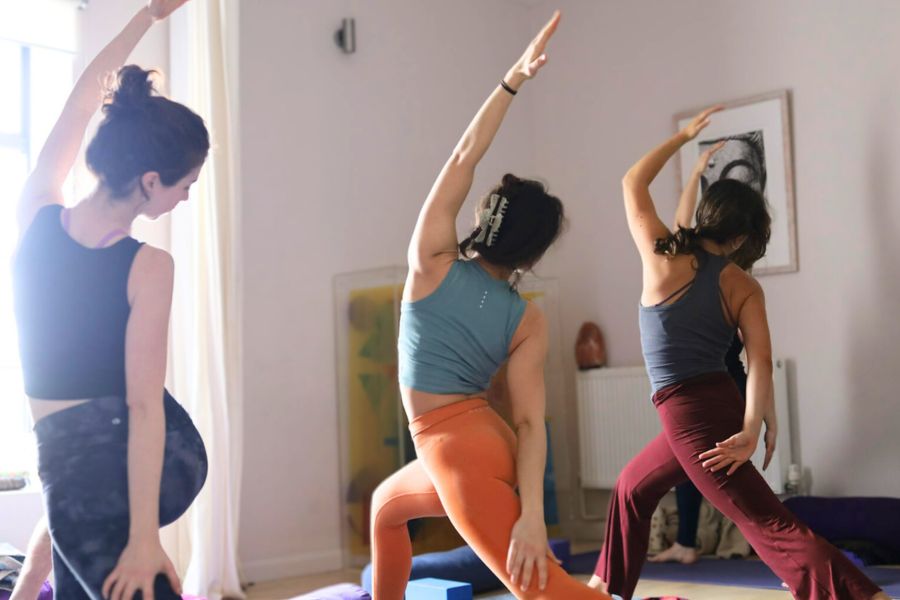
- Asanas (Physical Postures): Traditional Hatha Yoga for alignment and foundational strength, and Ashtanga Vinyasa for dynamic flow and endurance.
- Pranayama (Breathing Exercises): Pranayama is typically a core pillar of the curriculum, often taught as a standalone morning discipline rather than just a supplement to physical postures.
- Mindful Meditation: Mindfulness meditation is a mental training practice that involves focusing on the present moment with acceptance and without judgment. By breathing deeply, scanning the body, and observing thoughts, individuals can reduce stress, anxiety, and improve emotional regulation. It is a secular practice often done for 5–20 minutes by focusing on the breath or bodily sensations.
200hr Yoga Teacher Training Rishikesh
A 200-hour Yoga Teacher Training (YTT) curriculum at Moksha Yogshala Rishikesh provides a foundational understanding of yoga, typically covering asana (postures), anatomy, philosophy, and teaching methodology over 4–8 weeks. Accredited by bodies like Yoga Alliance, it prepares students to teach Hatha or Vinyasa flow safely and confidently, featuring 100+ hours of practice.
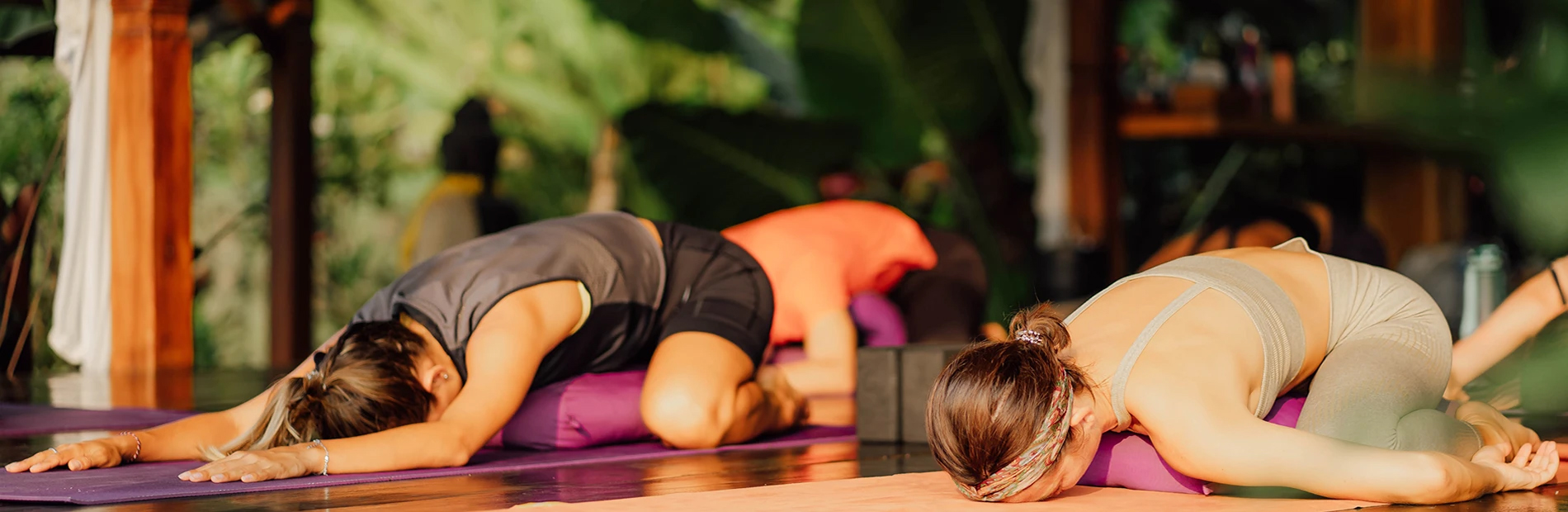
Techniques and Practice (100+ hours)
200-hour Yoga Teacher Training (YTT) in Moksha Yogshala Rishikesh typically spans 23 days and follows a rigorous, immersive curriculum governed by Yoga Alliance USA standards. The training is divided into core modules that blend traditional Indian practices with modern teaching methodologies.
- Asana Mastery: Intensive practice of Traditional Hatha and Ashtanga Vinyasa. Students learn the correct alignment, benefits, and contraindications of over 50 foundational postures, including standing, seated, twisting, and inverted poses.
- Pranayama (Breath Control): Morning sessions dedicated to techniques like Nadi Shodhana (alternate nostril breathing), Kapalabhati, and Ujjayi to regulate life force energy.
- Shatkarma (Purification): Traditional cleansing techniques such as Neti (nasal cleansing) and Kunjal Kriya (digestive cleansing) to detoxify the body.
- Mindful Meditation & Mantras: Daily guided meditation (e.g., Yoga Nidra, Trataka) and mantra chanting to cultivate mental clarity and spiritual connection.
- Key Aspects of Mindfulness Meditation
- Focus on the Present: Awareness of thoughts, feelings, and sensations as they happen.
- Non-Judgmental Awareness:Observing emotions or thoughts without labeling them as good or bad.
- Breath and Body Awareness: Paying attention to the sensation of breathing (inhalation and exhalation) and scanning the body for tension.
Benefits of Mindfulness Meditation- Reduces Stress and Anxiety: Research suggests it can lower stress, depression, and anxiety.
- Improves Mental Health: Increases focus, memory, and cognitive flexibility.
- Physical Health Improvements: It can help manage chronic pain and reduce fatigue.
- Emotional Regulation: Promotes self-regulation, empathy, and calmness.
Teaching Methodology (25+ hours)
Focused on transforming practitioners into skilled instructors, this module covers:
- Sequencing: Learning how to structure safe and effective classes for different skill levels.
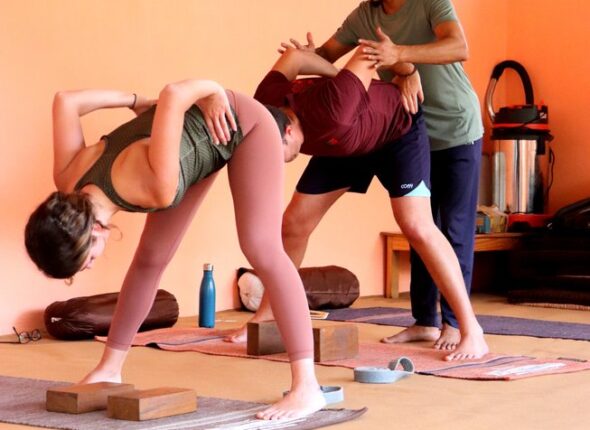
- Cueing & Adjustments: Specialized "Asana Labs" where students practice verbal cues and hands-on adjustments to support student safety and progress.
- Class Management: Ethical guidelines, communication skills, and establishing professional boundaries.
Anatomy and Physiology (20+ hours)
- Physical Anatomy: Skeletal, muscular, and respiratory systems.
- Energetic Anatomy: Introduction to chakras, nadis, and koshas.
- Biomechanics: Proper alignment to prevent injury.
Philosophy, Lifestyle, and Ethics (30+ hours)
- Traditional Texts: Study of the Yoga Sutras of Patanjali, Bhagavad Gita, and Hatha Yoga Pradipika.
- Lifestyle: Yoga ethics, karma, dharma, and Ayurveda basics. Basics of the "science of life," including diet, nutrition, and daily routines tailored to different body types (Prakriti).
Practicum (10 hours)
In a 200-hour Yoga Teacher Training (YTT) in Rishikesh, the practicum is the hands-on phase where students transition from learners to instructors. It is a mandatory requirement for Yoga Alliance certification and focuses on applying theoretical knowledge in a real classroom setting.
- Practice Teaching: Students lead their peers through asana sequences, pranayama, and meditation sessions. This often starts with teaching individual poses and progresses to leading full classes.
- Alignment & Adjustments: Trainees learn and practice the art of safe physical and verbal adjustments to help students improve their posture.
- Sequencing & Class Design: Developing the ability to create logical, safe, and themed lesson plans for various skill levels.
- Observation & Feedback: Students observe teachers and peers, providing and receiving constructive feedback to refine their teaching voice and presence.
- Demonstration Skills: Learning how to effectively demonstrate poses while giving clear, simultaneous verbal cues.
Typical Practicum Schedule at Moksha Yogshala
Most schools in Rishikesh integrate the practicum into the later half of their 21–28 day residential programs.
- Morning/Afternoon Sessions: Alignment and adjustment labs.
- Evening Sessions: Student-led teaching practice and methodology workshops.
- Final Week: Focused entirely on "Teaching Practice" and final practical assessments.
Primary Yoga Styles at Yoga Teacher Training in Rishikesh
The school's practical sessions are centered on two foundational styles of yoga:
- Hatha Yoga: Emphasizes foundational postures (asanas) and breath control to align and calm the body and mind.
- Ashtanga Yoga: A more dynamic and structured practice that follows a specific sequence of poses linked with breath.
Core Practical Components
In addition to physical postures, daily practice typically includes:
- Pranayama & Breathing: Learning ancient techniques to control and expand the life force (Prana) through the breath.
- Meditation: Various techniques, including specialized Sufi meditation, are used to work on mental and energetic levels.
- Mudras & Bandhas: The use of hand gestures and internal energy locks to direct the flow of energy during practice.
- Shatkarma (Detox): Traditional yogic cleansing techniques to purify the physical body.
Theoretical and Spiritual Study
The "shala" environment encourages deep learning beyond the mat. In our 200hr Yoga Teacher Training in Rishikesh we provide below:
- Yoga Philosophy: Study of ancient texts and the spiritual roots of yoga to understand its true purpose beyond physical exercise.
- Anatomy & Physiology: Understanding the physical effects of asanas on the body's systems.
- Spiritual Discourse: Individualized attention from teachers focused on changing mind patterns and fostering personal growth.
Moksha Yogshala Tips for Beginners
1. Preparation and Setup
- Start with Hatha or Gentle Yoga: Hatha yoga is ideal for beginners because it is slow-paced and focuses on basic postures and breathing.
- Practice on an Empty Stomach: It is advised to practice on an empty stomach or wait 2-3 hours after a meal.
- Wear Comfortable Clothing: Wear loose, comfortable, and breathable clothing that allows for movement.
- Use Props: Utilize props such as blankets, pillows, or yoga blocks to support your body and make poses more accessible.
- Create a Sacred Space: Designate a quiet, clean, and comfortable space for your practice to help you focus.
2. During the Practice
- Prioritize Breathing (Pranayama): Connect movement with breath. Deep, conscious breathing helps relax the mind and body.
- Warm Up Gently: Start with gentle warm-up exercises (like Sukshma Vyayam) to prepare your muscles and joints.
- Listen to Your Body: Never push yourself into pain. If a pose is uncomfortable, modify it, reduce the intensity, or skip it.
- Focus on Alignment: Pay attention to how your hands and feet are placed to create a stable, safe foundation.
- Keep it Simple: Focus on foundational poses like Child's Pose, Mountain Pose, or Cat-Cow to start.
3. Key Beginner Poses
- Child’s Pose (Balasana): A restorative, resting pose.
- Mountain Pose (Tadasana): A foundational standing pose that improves posture.
- Cat-Cow Stretch: A flowing movement that increases spinal flexibility.
- Downward-Facing Dog (Adho Mukha Svanasana): A strengthening and stretching pose.
- Bridge Pose (Setu Bandhasana): A calming, heart-opening pose.
4. Post-Practice and Lifestyle
- End with Relaxation (Savasana): Always end with a few minutes of quiet relaxation (Savasana or Corpse Pose) to allow the body to absorb the benefits of the practice.
- Be Consistent: A 15-minute daily practice is more beneficial than a long, one-hour session once a week.
- Be Patient: Flexibility and strength will improve with time. Avoid comparing your progress to others.
For beginners, it is highly recommended to start under the guidance of a qualified teacher to learn correct techniques and avoid injury. If participating in a retreat or training like the 21 Day 200-Hour Multi-Style Yoga Teacher Training Course in Rishikesh, be prepared for intensive study.
What’s included in 200hr Yoga Teacher Training in Rishikesh?
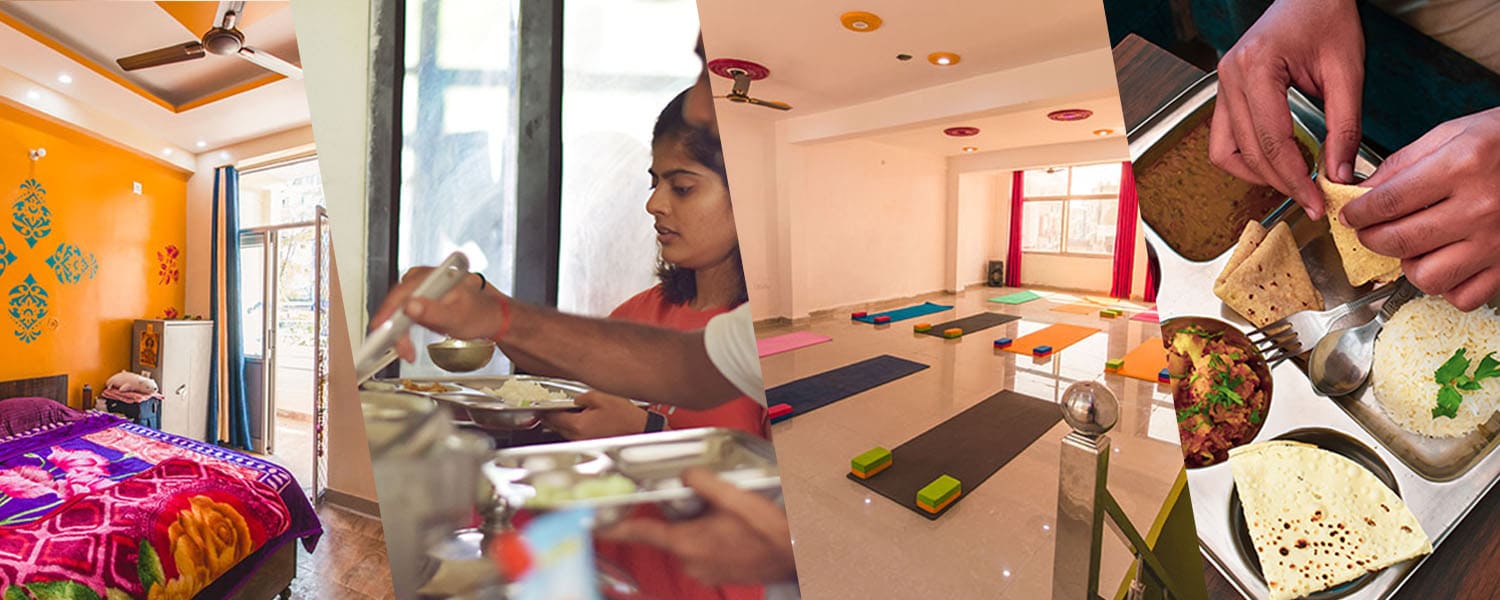
- Accommodation: 24 days and 23 nights in clean, spacious, and well-lit rooms with attached washrooms, surrounded by nature.
- Airport Pickup: One-way taxi pickup from Dehradun airport for a hassle-free arrival.
- Yoga and Curriculum Activities: All yoga classes, theoretical and practical sessions, and day trips included during the stay.
- Meals: Three freshly prepared sattvic meals daily (based on Ayurvedic principles) plus morning and evening herbal tea.
- Ayurvedic Massage: A complimentary rejuvenating Ayurvedic massage for complete relaxation.
- Group Sound Healing Session: A complimentary sound healing session, where the soothing resonance of sacred instruments guides you into a state of deep peace, balancing your energies and awakening a profound sense of inner harmony.
- Certification: Internationally recognized Yoga Alliance Certification upon course completion.
- Course Materials: A detailed course manual, notes, yoga bag, and yoga t-shirt.
- Connectivity and Comfort: Free Wi-Fi and hot water showers.
- Excursions and Activities: Weekend trips to nearby mountains, hidden gems of Rishikesh, Ganga Aarti, and visits to ashrams and spiritual gurus.
Note: Meals during outings are not included, as everyone buys their own.
What’s not included in 200hr Yoga Teacher Training in Rishikesh?
- Flight Tickets: Airfare to and from India is not included.
Ayurvedic Massage: Indian students can access massage services for an extra fee.
- Personal Expenses: Any personal expenses during your stay.
- Sunday Meals: Meals on Sundays are not included, as the day is reserved for outings and excursions, allowing participants to explore and enjoy local cuisine at their own expense.
- Unlisted Items: Anything not mentioned in the inclusions list.
What to Bring for our 200hr Yoga TTC in Rishikesh, India?
At Moksha Yogshala, We want you to feel completely comfortable and prepared for your time with us. Below is a simple list of what to bring for your stay during the course.
Clothing Essentials
Please carry a white outfit for the opening and closing ceremonies.
Bring 2–3 pairs of comfortable yoga leggings or pants along with supportive tops.
Pack casual clothes for walks around town, light travel, or short treks.
Carry a light jacket or sweatshirt for cooler mornings and evenings.
Include sleepwear and undergarments for your daily comfort.
Flip-flops or sandals are ideal for moving around the campus.
Please carry a personal bath towel.
Yoga Gear
Yoga mats are available at the school. However, if you prefer using your personal mat, you are welcome to bring it.
All course-related study materials will be provided by the school.
Toiletries and Personal Items
Carry your basic toiletries such as soap, shampoo, toothpaste, deodorant, and sanitary products.
Personal hygiene items are recommended.
Most of these items are available in nearby local shops, so you can also purchase them after arrival if needed.
Medicines and Supplements
We provide pure Satvik vegetarian meals. If your body is not accustomed to a vegetarian diet, you may carry supplements or multivitamins as needed.
Please bring your personal prescription medicines.
It is also advisable to carry basic medications for flu, cold, muscle soreness, minor allergies, or eye dryness.
If you have any questions or need guidance, our team is happy to assist before or after your arrival. We look forward to supporting you in your yoga journey.
200hr Yoga TTC in Rishikesh, India
Rishikesh, known as the "Yoga Capital of the World," offers numerous Yoga Alliance-certified 200-hour Yoga Teacher Training (YTT) programs that typically last 24 to 28 days. These foundational courses are designed for beginners and intermediate practitioners looking to become Registered Yoga Teachers (RYT-200). Affordable 200-hour yoga teacher training in Rishikesh generally costs between USD 990 and USD 1290, with Moksha Yogshala Yoga Alliance-certified school offering all-inclusive packages (meals, lodging, training).
Key Tips for Affordable Yoga Teacher Training in Rishikesh
- Choose Shared Accommodation: Triple or double sharing rooms with non-AC options are always the cheapest, often reducing costs by several hundred dollars.
- Early Bird Discounts: Booking 1–3 months in advance can save around USD 100 or more.
- Off-Season Batches: Booking during hotter months (April–June) or monsoon season can sometimes yield lower prices.
- Look for Local Schools: Schools that offer all-inclusive packages reduce hidden costs.

Affordable 200-Hour Yoga Teacher Training in India
- April 18, 2026
- Com 0
Affordable 200-hour yoga teacher training in India, particularly in Rishikesh, Goa, and Dharamshala, is widely available with prices ranging from USD 500…

Yoga Teacher Training Cost in India
- April 18, 2026
- Com 0
Yoga teacher training (TTC) fees in India typically range from ₹12,500 to over ₹80,000 for 200-hour residential courses, heavily influenced by…
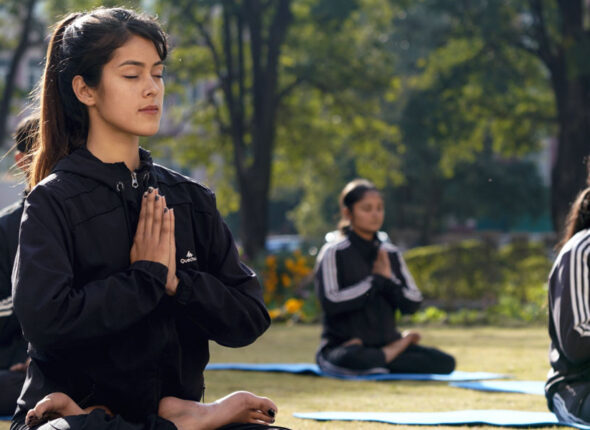
Why Rishikesh is for Yoga Teacher Training?
- April 18, 2026
- Com 0
Rishikesh is considered the “Yoga Capital of the World” and a premier location for teacher training due to its deep spiritual…
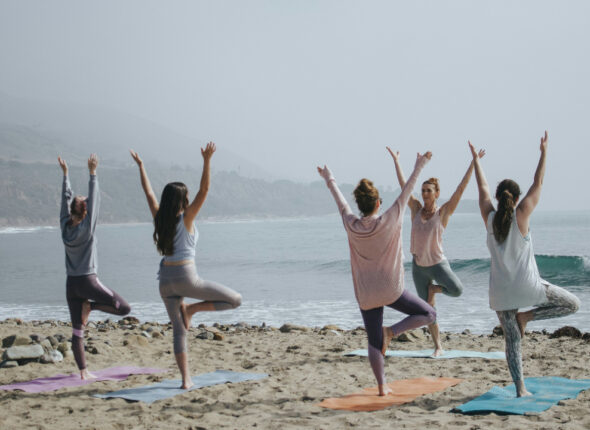
100 Hr Yoga Teacher Training

200 Hr Yoga Teacher Training
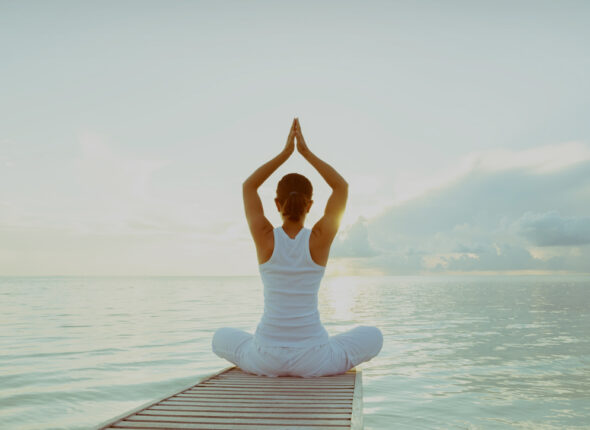
300 Hr Yoga Teacher Training

500 Hr Yoga Teacher Training
What is Usually Included?
- Certification: Globally recognised Yoga Alliance RYT certificate.
- Accommodation: Residential stay in an ashram or school hostel.
- Meals: Three vegetarian (Sattvic) meals daily.
- Extras: Course materials (manuals, neti pots), weekend excursions (Himalayan trekking, Ganga Aarti visits), and sometimes airport transfers.

Unique Rishikesh Experience
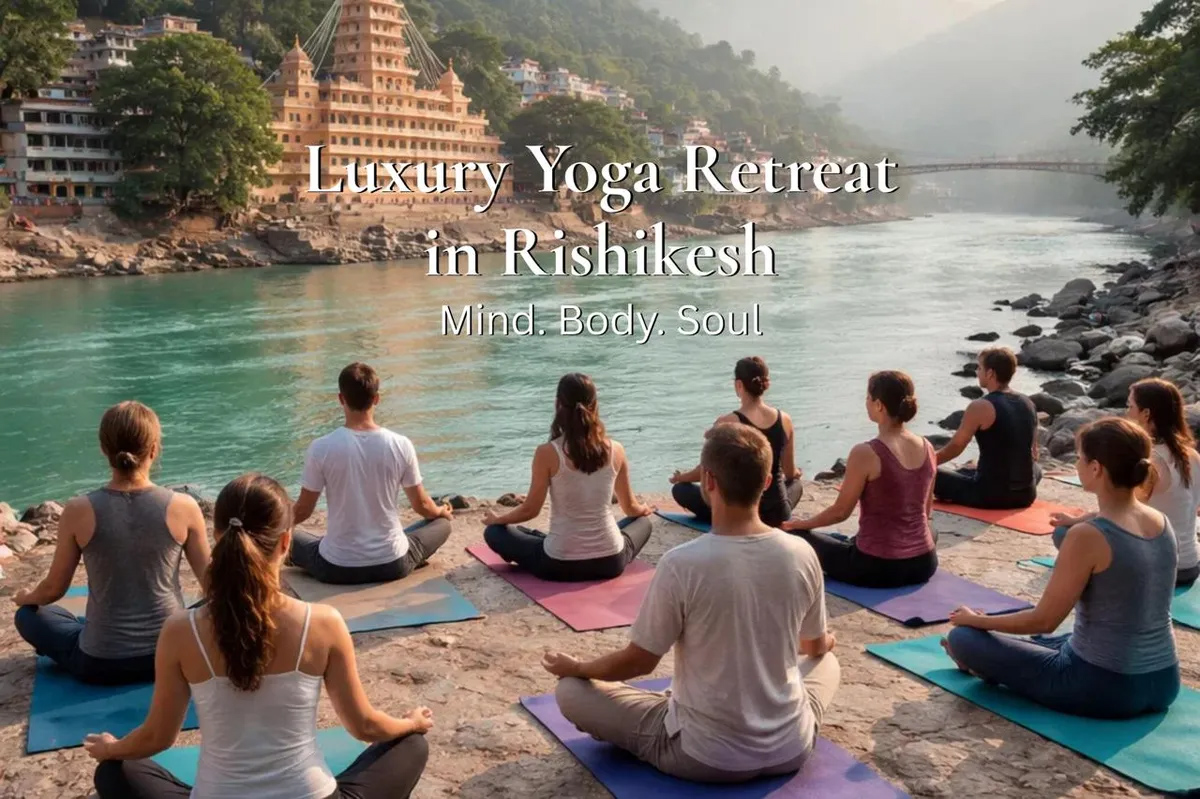
- Spiritual Immersion: Training often takes place in ashrams near the sacred Ganges River and Himalayan foothills, including attending Ganga Aarti ceremonies and meditating in ancient caves.
- Yogic Lifestyle: Students follow a Sattvic (pure) vegetarian diet and a disciplined daily schedule that typically starts before sunrise.
- Weekend Excursions: Many programs include local exploration such as mountain trekking, visiting holy temples, or white-water rafting.
Daily Schedule
Days are rigorous, typically starting before dawn and ending by 9:00 or 10:00 PM.
- 05:30 AM: Wake-up and morning silence.
- 06:00 AM: Pranayama and morning asana practice.
- 09:00 AM: Sattvic breakfast.
- 10:30 AM: Anatomy or Philosophy lectures.
- 12:00 PM: Teaching Methodology / Alignment class.
- 01:30 PM: Healthy lunch followed by self-study.
- 04:00 PM: Evening asana practice (often Ashtanga/Vinyasa).
- 06:00 PM: Mindful Meditation and mantra chanting.
- 07:30 PM: Dinner.
- 10:00 PM: Lights out.
Multi-style Yoga training with a strong community feel
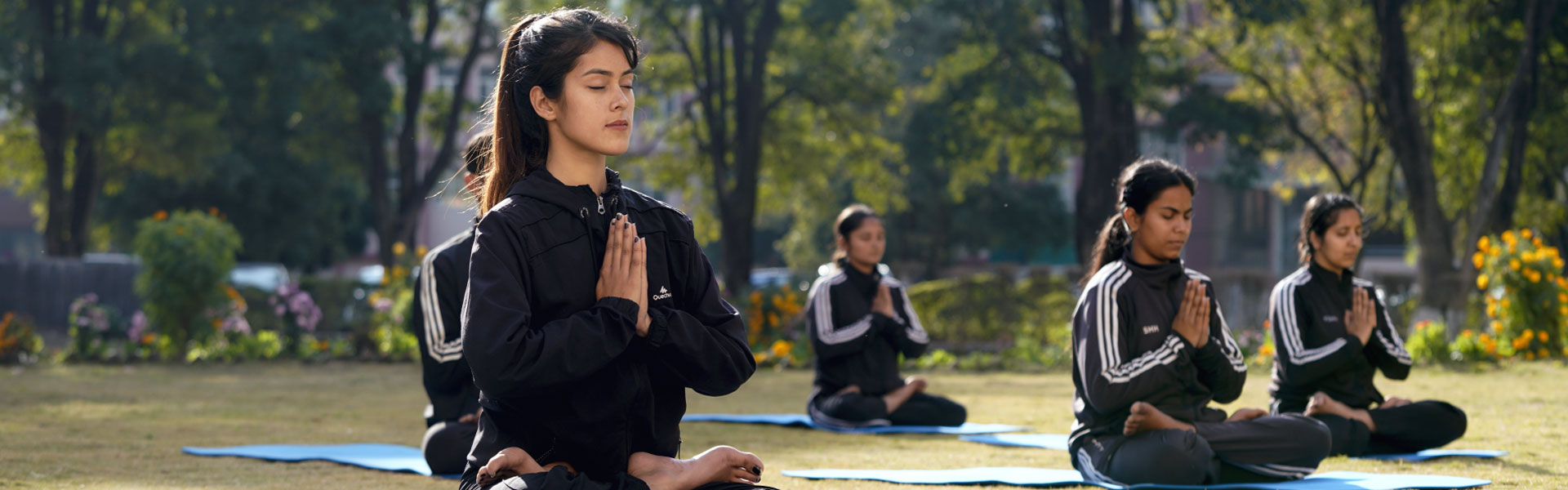
Multi-style yoga training offers a versatile way to deepen your practice by blending traditional lineages like Hatha, Ashtanga, and Vinyasa with modern approaches such as Yin and Restorative yoga. These programs are designed to build a well-rounded foundation, allowing you to adapt your practice to different energy levels and physical needs.
A strong community feel is often the "secret sauce" of these trainings. Schools frequently foster this through small group sizes, shared vegetarian meals, and group excursions that turn classmates into a supportive "yoga family".
Implementation of Mindfulness Meditation in Yoga Teacher Training Rishikesh
Implementing mindfulness meditation into a Yoga Teacher Training (YTT) in Rishikesh involves integrating specific techniques like breath awareness and body scanning into the daily schedule to foster present-moment awareness. Most programs use a structured approach that moves from active practices (like asana and pranayama) to passive mindfulness to help modern students overcome mental restlessness.
- Daily Guided Sessions: Training typically begins with morning or evening guided mindfulness, focusing on anchoring awareness in the "now" through soft voices and clear instructions.
- Sequential Learning: Programs often introduce active meditation first—using body movement or rhythmic breathing—to silence the mind before transitioning to static meditation, where students sit in complete, absolute awareness.
- The "Watcher" Perspective: Students are taught to observe thoughts, emotions, and physical sensations without judgment or attachment, effectively becoming a "watcher" of their internal experience.
- Specific Techniques: Curricula commonly include:
- Breath Awareness: Using the breath as a primary anchor to stabilize the mind.
- Body Scanning: Systematically exploring physical sensations to deepen the mind-body connection.
- Vipassana: Incorporating traditional "insight" methods, such as noting "rising, falling, sitting" during breath cycles.
- Yoga Nidra: Guided deep relaxation that bridges asana and seated meditation.
Teaching Methodology and Environment:
- Teaching Practicum: Trainees participate in "teaching methodology" modules where they practice cueing breathwork, modulation of voice, and "holding space" for others in a group setting.
- Mindful Living: Beyond formal sitting, mindfulness is integrated into daily activities, including mindful eating in silence, walking with awareness, and maintaining periods of Maun Sadhna (silence) during the day.
- Sacred Setting: Schools often utilize the natural environment of Rishikesh—such as riverbanks or caves—to enhance focus and reduce urban distractions.
Why Community Matters in Multi-Style Training in Rishikesh
- Emotional Support: Learning multiple styles can be physically and mentally demanding. Shared experiences like morning "ice baths" or "freezing yoga by the Ganga" create lasting core memories and emotional resilience.
- Collaborative Learning: A diverse group of trainees brings different perspectives, helping you understand how various styles—like the precision of Iyengar versus the flow of Vinyasa—can be applied to different bodies.
- Lifelong Connections: Many programs include shared accommodation and communal dining (Sattvic meals), which naturally facilitate deep conversations and friendships that last long after the course ends.
The Benefits of Completing a Yoga Teacher Training Program in Rishikesh
Completing a Yoga Teacher Training (YTT) program in Rishikesh, India—widely known as the "Yoga Capital of the World"—offers a unique blend of spiritual authenticity, professional certification, and personal transformation.
- Globally Recognized Certification: Most programs are Yoga Alliance certified (RYS 200, 300, or 500). This provides you with an internationally accepted credential, allowing you to teach professionally at studios, retreats, or private practices worldwide.
- Authentic Traditional Teachings: You learn yoga from its source. Many instructors are Indian masters who have studied in traditional ashrams for decades, ensuring you receive original teachings rather than "watered-down" versions common in the West.
- Comprehensive Curriculum: Beyond physical postures (asanas), programs provide deep dives into yoga philosophy (Yoga Sutras, Bhagavad Gita), human anatomy, physiology, and specialized breathwork (pranayama).
- Mentorship and Skill Building: Expert faculty provide personalized guidance on safe alignment and hands-on adjustments, which are critical for injury prevention and teaching diverse student levels.
- Deep Self-Discovery: The intensive nature of the training—often involving 5:00 a.m. wake-up calls and daily meditation—fosters self-discipline, mental clarity, and emotional resilience.
- Spiritual Energy of Rishikesh: Nestled in the Himalayan foothills along the sacred Ganges River, the city’s high spiritual vibration naturally supports inner stillness and personal reflection.
- Holistic Wellness Knowledge: Training often includes introductions to Ayurveda, yogic nutrition, and sattvic diets to help you establish a healthier, balanced lifestyle.
Practical & Social Advantages:
- Global Community: You will live and study with a diverse group of like-minded individuals from around the world, creating a supportive network and lifelong friendships.
- Inexpensive High-Quality Training: Rishikesh offers world-class education at a fraction of the cost found in Western countries. Many packages are comprehensive, including accommodation and all meals.
- Cultural Immersion: Students can participate in local traditions like the Ganga Aarti (fire ceremony), visit ancient temples, and experience authentic ashram life.
- Yoga Therapy for Health
- Key Health Benefits of Yoga Therapy
- How It Works
Yoga therapy is a personalized, evidence-based practice combining physical postures, breathing exercises, and meditation to improve physical and mental health. It acts as a complementary treatment for conditions like chronic pain, anxiety, depression, and cardiovascular issues, fostering self-empowerment and overall well-being.
Yoga therapy is considered safe when guided by a trained therapist. It is used for specialized needs, including addiction recovery, cancer recovery, and hormonal health.
- Mental Health: Effectively reduces stress, anxiety, and depression by lowering cortisol and increasing GABA neurotransmitters.
- Chronic Pain Management: Addresses musculoskeletal issues like back pain, arthritis, and tension headaches.
- Physical Function: Enhances strength, flexibility, and balance, reducing fall risks.
- Cardiovascular & Metabolic Health: Helps manage blood pressure, cholesterol, and glucose levels.
- Respiratory & Immune System: Supports lung health and can strengthen immune function.
- Individualized Plans: Tailored to an individual’s specific medical needs and limitations.
- Mindfulness & Meditation: Focuses on calming the mind to improve mental health and cognitive function.
- Breathing Techniques (Pranayama): Used to regulate the nervous system.
- Self-Empowerment: Encourages active participation in one's healing process.
Yoga Resources for Every Body
How quickly do you see results from Yoga? (Reduced stress, Better sleep)
- 17 Apr, 2026
- Com 0
You can feel mental benefits (reduced stress,...
Which type of Yoga is best for Mental Health?
- 15 Apr, 2026
- Com 0
The best yoga for mental health includes...
Yoga Therapy for Happy Health Harmony
- 15 Apr, 2026
- Com 0
Yoga therapy for Happy Health Harmony promotes holistic...
The Benefits of Yoga Detox Retreat in India
- 15 Apr, 2026
- Com 0
A yoga detox retreat in India offers...
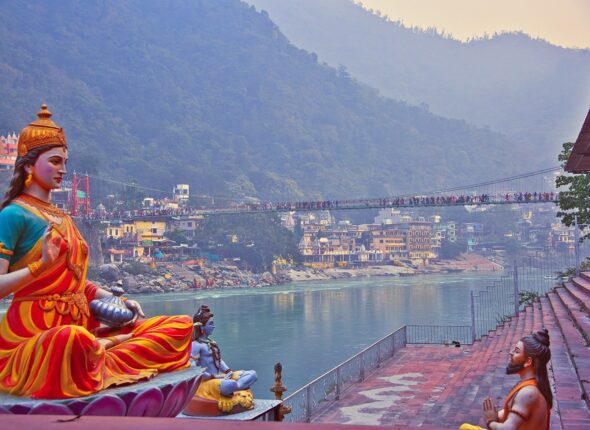
Mind-Body Connection: Yoga Tips for a Harmonious Life
- 10 Apr, 2026
- Com 0
Achieve a harmonious life through yoga by combining...

Yoga Training in Rishikesh for Happy Health harmony
- 10 Apr, 2026
- Com 0
Yoga Training in Rishikesh for health, happiness,...
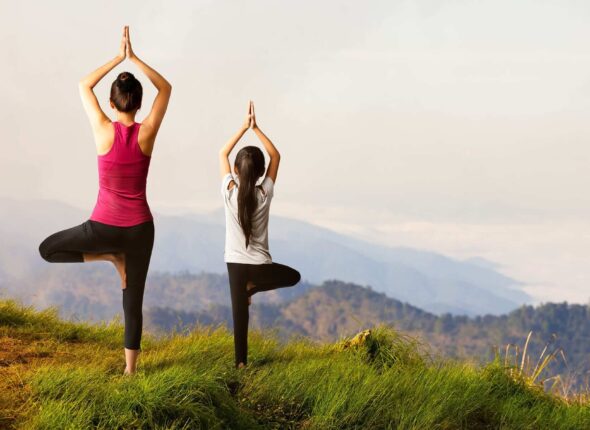
Reasons to Visit Rishikesh for Wellness Retreat?
- 10 Apr, 2026
- Com 0
Rishikesh is the premier destination for a...

What are Core Principles for Happy Health Harmony (HHH)?
- 8 Apr, 2026
- Com 0
Core Principles for Happy Health Harmony (HHH) focus...
The Importance of Mind Body Spirit Balance for Happy Health Harmony
- 8 Apr, 2026
- Com 0
Achieving a balance between mind, body, and...

A Mind Body Connection for Happy Health and Harmony (HHH)
- 8 Apr, 2026
- Com 0
Achieve physical and mental balance through yoga...
Upcoming Residential Yoga TTC 2026
These courses generally offer residential, on-campus, or online options, focusing on Hatha, Vinyasa, and Ashtanga yoga styles.
| Course Duration | Triple Occupancy | Double Occupancy | Single Occupancy |
|---|---|---|---|
| 02 May - 24 May | $ 1340 USD | $1500 USD | $1745 USD |
| 02 June - 24 June | $ 1340 USD | $1500 USD | $1745 USD |
| 02 July - 24 July | $ 1340 USD | $1500 USD | $1745 USD |
| 02 August - 24 August | $ 1340 USD | $1500 USD | $1745 USD |
| 02 September - 24 September | $ 1340 USD | $1500 USD | $1745 USD |
| 02 October - 24 October | $ 1340 USD | $1500 USD | $1745 USD |
| 02 November - 24 November | $ 1340 USD | $1500 USD | $1745 USD |
| 02 December - 24 December | $ 1340 USD | $1500 USD | $1745 USD |
| 02 January - 24 January | $ 1340 USD | $1500 USD | $1745 USD |
| 02 February - 24 February | $ 1340 USD | $1500 USD | $1745 USD |
| 02 March - 24 March | $ 1340 USD | $1500 USD | $1745 USD |
| 02 April - 24 April | $ 1340 USD | $1500 USD | $1745 USD |
| 02 May - 24 May | $ 1340 USD | $1500 USD | $1745 USD |